Forklifts
7 Overlooked Factors That Destroy Forklift ROI
February 17, 2026
Forklifts are an expensive investment for any business or operation. It stands to reason that every team expects a solid return on investment. Maximizing that return involves keeping the equipment running for as many projects as possible. Optimal performance relies on understanding the factors that impact equipment longevity or cause degradation.
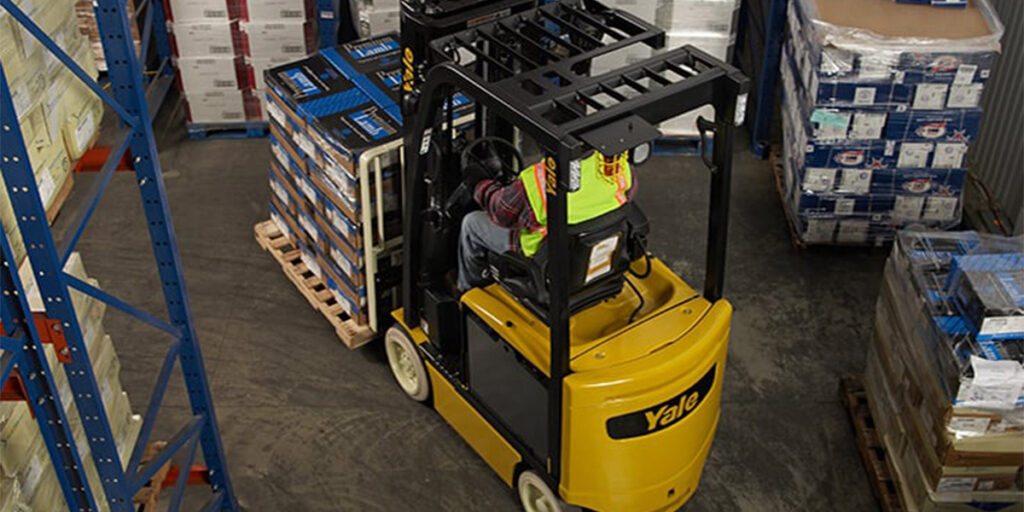
Beyond obvious concerns about hardware, which skilled technicians can address with preventive maintenance, are the hidden factors affecting forklift ROI — details that are more likely to be omitted from vehicle and process updates.
1. Battery Degradation Patterns and Costs Analysis
Forklift batteries experience a natural decline in performance and efficiency over time due to chemical alterations inside the battery, slow or poor charging, inadequate maintenance and general wear. Operating in cold weather can cause faster battery drain or damage internal components, as can running your unit in extreme heat. Physical corrosion may occur in environments with high humidity or regular moisture exposure.
Because the battery inside a forklift interacts with other components, this degradation can put added stress on the rest of the machine. Left unaddressed, this secondary damage may introduce hidden costs, additional failures, extended downtime and safety hazards, all of which make repairs more costly.
Spotting common signs of battery failure or degradation early is important. Signs to watch for include:
- Reduced runtimes or speedy battery discharges
- Slow charging or failure to hold a charge
- Display, gauge or lighting failures and dimming
- Sluggish performance or stalls
- Unexpected shutdowns when hauling or handling loads
- Visible corrosion or a white/green powdery substance around the battery
- Measurable voltage drops while idling or during use
2. Operator Skill Gaps That Reduce Efficiency
Heavy machines require the proper training to operate, and forklifts are no exception. Skill gaps can lead to improper handling or performance, safety risks and damaged equipment. Operator behavior can affect forklift lifespans. Prioritizing trained staff and keeping those operators up to date on all standards and equipment changes is critical.
Prevent these skill gaps by:
- Considering valid e-learning solutions to reduce training costs.
- Having a viable team of operators available at all times, including backup labor.
- Upskilling staff when possible to ensure OSHA standards are met and followed and all certifications are valid.
3. Poor Inventory Management Affecting Equipment Utilization
Keeping your fleet as small as possible means relying on your machines continuously with no downtime. Balancing your equipment creates space for maintenance, minor repairs and proper charging when necessary. It’s important to assess, plan for and stock a reliable inventory of machines, including multiple forklifts, to properly address utilization.
Some valid forklift fleet utilization optimization strategies are:
- Use analytics to identify overworked machines and optimize over- or under-utilized equipment.
- Keep enough forklifts and machines on hand to meet the project’s requirements.
- Consider renting equipment vs. running one or two in-house machines ragged.
- Update warehouse layouts to address slotting, storage densities, equipment routes and more.
4. Poor Floor Conditions Creating Forklift Damage Costs
Poorly maintained floors or surfaces can wear down forklift components faster, increasing maintenance costs and leading to premature failure in structural components like the joints and bearings or tires. Considerations related to warehouse floor quality impact equipment lifespan:
- Set speed limits for forklifts in rougher terrain or poorly maintained conditions.
- Allow for necessary downtime by swapping operating machines out with fresh equipment.
- Ensure operators aren’t fatigued to encourage alertness while using equipment.
5. Mismatched Equipment to Application Requirements
Forklift total cost of ownership hidden factors also include misusing the equipment, like mismatching a forklift to certain tasks. There are many kinds of forklifts, and not every type is perfect for the job. Using a wide forklift in narrow areas, for example, may increase collisions, lead to slow cycle times and poor performance. In addition, under- or overutilizing equipment may lead to negative impacts.
Keep equipment mismatch from reducing productivity ROI with these tips:
- Conduct a thorough analysis of the project, its requirements, environmental conditions and load considerations before deploying a forklift.
- Invest in a versatile fleet with enough models to match your facility’s varied jobs.
- Consider upgrading or retooling warehouses and other facilities to accommodate new equipment types.
6. Delayed Maintenance Decision Costs
Preventive maintenance is key to well-oiled operations, especially in environments with busy schedules. It keeps equipment operational and ready by addressing potential issues before they happen and helping to prevent catastrophic failures. Planned maintenance also offers many benefits, such as extended equipment lifespan, lower costs, better safety and unmatched efficiency.
Delayed forklift maintenance creates hidden costs through the need for emergency downtime and more severe repairs, causing reduced throughput or operational bottlenecks, premature equipment failures and wasted labor, especially when planned maintenance could have made the process faster and less expensive.
7. Environmental Factors Impacting Analysis
There are hidden costs associated with equipment operation and operational environments, including how they affect surrounding areas. Diesel or traditional fuel models, for example, produce emissions, which may or may not breach compliance and regulations with the U.S. Environmental Protection Agency’s (EPA’s) strict emissions standards for non-road equipment. You may incur fines for noncompliance and other concerns, like the health impact on workers who are exposed to emissions.
Maximize Your Forklift Fleet ROI With Alta Material Handling
At Alta Material Handling, we understand the true importance of keeping your equipment optimal. In addition to selling new forklifts and other industrial equipment, we can provide rentals and fleet additions or help service and repair existing equipment. Moreover, we offer extensive forklift operator training courses to educate drivers and help upskill your valuable team members.
Reach out today to learn more about our equipment, services, rentals and operator training services.
Contact Us
Headquarters
340 Hanlan Rd,Woodbridge, Ontario L4L 3P6